Source miniature micro motor for Cars, Fans, and Power Tools
Compare 30 verified miniature micro motor options from Jiangsu and Changzhou suppliers. Buyers can review specifications like voltage, speed, and power for applications in cars, household appliances, and industrial machinery.
Key considerations
Products List


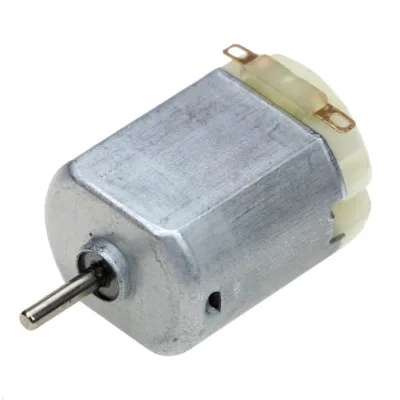


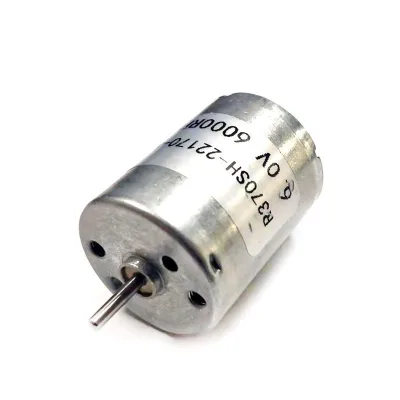
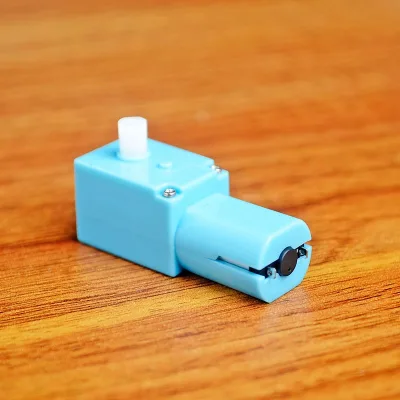


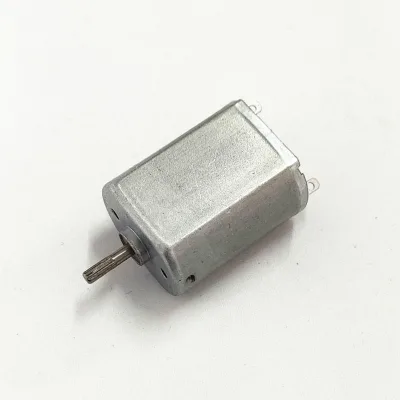
Comprehensive Sourcing Guide
Sourcing Guide for Miniature Micro Motors in B2B Procurement
Procuring miniature micro motors requires a disciplined approach that balances technical precision with supply chain reliability. These components serve as the heartbeat for a vast array of industries, from automotive systems to household appliances and industrial automation. The market offers a diverse range of configurations, including brushless and brushed variants, each with distinct operational characteristics. Buyers must navigate a landscape defined by specific attributes such as excitation modes, casing protections, and pole configurations to ensure the selected motor aligns with the intended application. This guide outlines the critical factors for sourcing these components effectively, relying on observed market data and established industry standards to inform decision-making.
Technical Specifications and Operational Architecture
Understanding the technical architecture of miniature micro motors is the first step in successful procurement. The observed market data reveals a significant diversity in motor types, ranging from the ZSN and ZTP series to asynchronous and permanent magnet constructions. A critical distinction lies in the commutation method. Some units operate with a brush-based system, which is common in applications requiring simple control and cost efficiency, while others utilize brushless technology for enhanced longevity and reduced maintenance. The excitation mode further defines performance; data indicates the presence of both excited and compound excitation modes, which influence how the motor generates its magnetic field and responds to load changes.
Speed control capabilities are another vital specification. Buyers may encounter motors designed for constant speed operation, suitable for applications requiring steady rotational output, or those featuring adjustable speed capabilities, which are essential for variable load scenarios. The number of poles is directly linked to these speed characteristics, with observed ranges indicating operating speeds that can be adjusted or held constant depending on the design. Voltage ratings typically span from 12 to 24 volts, with some units operating at 50Hz, making them versatile for both DC and AC power systems. Power output is equally varied, with observed rated input powers ranging from 10W to 600W, and specific models showing output powers around 120W. Torque specifications, such as those in the 450-500g.Cm range, must be matched precisely to the mechanical load requirements of the end product.
Compliance, Certification, and Safety Standards
In the global B2B market, compliance is non-negotiable. Miniature micro motors must adhere to rigorous safety and environmental standards to be viable for international trade. Observed product listings frequently reference certifications such as CE, RoHS, CCC, ISO, TUV, UL, and VDE. These certifications indicate that the motor meets specific regional safety requirements, electromagnetic compatibility standards, and environmental restrictions regarding hazardous substances. For instance, RoHS compliance ensures the absence of specific hazardous materials, while UL and VDE standards are critical for markets in North America and Europe, respectively.
Buyers must verify that the specific model they intend to purchase carries the necessary certifications for their target market. The presence of ISO certification suggests adherence to quality management systems, which is a strong indicator of a supplier's commitment to consistent manufacturing processes. However, the mere listing of a certification does not guarantee that every unit in a batch is certified; verification of the specific product batch or model number against the certification body is essential. Additionally, insulation classes ranging from A, B, F, to H are observed, indicating the motor's ability to withstand thermal stress. Selecting the correct insulation class is crucial for applications operating in high-temperature environments to prevent premature failure.
Cost Drivers and Pricing Dynamics
The cost of miniature micro motors is influenced by a complex interplay of factors, including material composition, manufacturing complexity, and certification requirements. The observed price range in the market spans from $0.20 to $20.00 USD. This wide variance reflects differences in motor type, power rating, and the inclusion of specialized features. Brushless motors generally command a higher price point due to the complexity of their electronic control requirements and the absence of wear-prone brushes. Similarly, motors with higher efficiency ratings, such as those reaching up to 70% max efficiency, may incur a premium cost.
Minimum Order Quantity (MOQ) is another significant cost driver. The market data shows an MOQ range from 1 to 1000 units. Buyers seeking small quantities may face higher per-unit costs, while those ordering in bulk can leverage economies of scale to reduce the unit price. Packaging also plays a role in cost; some units are packed individually in bags, while others are shipped in cartons, which can affect logistics expenses. When evaluating cost, buyers should look beyond the sticker price and consider the total cost of ownership, including the potential for reduced maintenance in brushless models or the energy savings from higher efficiency motors.
Typical Applications and Industry Use Cases
Miniature micro motors are ubiquitous across a wide spectrum of industries. The observed application data highlights their use in cars, household appliances, industrial machinery, power tools, and universal applications. Specific models are designed for niche uses, such as RC brushless water pumps, audio and video equipment, and moving machinery. The versatility of these motors is evident in their deployment in electric bicycles, boats, fans, and various home appliances.
The choice of motor type often depends on the specific application requirements. For example, a DC motor with a permanent magnet construction is frequently found in toy applications and small consumer electronics due to its compact size and simple control. In contrast, motors with electromagnetic structures and brush commutation might be preferred in industrial automation equipment where robustness and cost-effectiveness are prioritized over longevity. The rated speed and torque specifications must align with the mechanical demands of the application; a motor with a rated speed of 10-300rpm is suitable for heavy-load, low-speed tasks, whereas a unit with a no-load speed of 3000-12000rpm is better suited for high-speed applications like fans or pumps.
Supplier Evaluation and Geographic Considerations
Evaluating suppliers requires a careful assessment of their geographic location, production capabilities, and reputation. The observed data indicates that many miniature micro motors originate from China, specifically from regions such as Jiangsu and Changzhou. These areas are known for their robust manufacturing ecosystems and supply chain integration. However, buyers should not rely solely on origin; they must verify the supplier's ability to meet quality standards and delivery timelines.
Brand recognition is another factor, with some listings mentioning established brands like Panasonic. While brand association can imply a certain level of quality assurance, it is essential to verify that the specific product being sourced is an authentic item from that brand and not a generic equivalent. When evaluating a supplier, buyers should request documentation for the certifications mentioned, such as ISO or UL, and verify the validity of these documents with the issuing bodies. Additionally, the customization availability noted in the market data suggests that many suppliers are willing to adapt motors to specific client needs, which can be a significant advantage for unique application requirements.
Quality Control and Long-Term Procurement Strategy
Ensuring the quality of miniature micro motors is paramount to the reliability of the final product. Quality control should begin at the design stage, ensuring that the motor's specifications, such as voltage, current, and torque, match the application's demands. Buyers should verify the free current specifications, with observed values being less than 0.65A, to ensure energy efficiency and thermal management. The casing protection type, whether closed or drip-proof, must be suitable for the operating environment to prevent damage from dust, moisture, or other contaminants.
Long-term procurement strategies should focus on building relationships with suppliers who demonstrate consistency in quality and delivery. The observed packing methods, such as 1PC/Bag or Cartons, should be evaluated for their ability to protect the motors during transit. For high-volume procurement, establishing a clear quality assurance protocol, including incoming inspection and periodic testing, is essential. Buyers should also consider the lead times and the supplier's capacity to scale production, as indicated by the wide range of MOQs. By maintaining a rigorous approach to quality control and supplier evaluation, buyers can mitigate risks and ensure a steady supply of high-performance miniature micro motors for their operations.
Summary of Key Selection Criteria
To facilitate a streamlined decision-making process, the following table summarizes the key technical and commercial attributes observed in the market for miniature micro motors. This comparison highlights the variability in specifications and helps buyers identify the critical parameters for their specific needs.
| Attribute Category | Observed Variations | Selection Consideration |
|---|---|---|
| Motor Type | ZSN, ZTP, Asynchronous, Permanent Magnet | Match to application load and control requirements. |
| Commutation | Brush, Brushless | Balance between cost, maintenance, and lifespan. |
| Voltage | 12V, 24V, 12-24V, 50Hz | Ensure compatibility with existing power systems. |
| Speed | 10-300rpm, 3000-12000rpm, Adjustable | Select based on required rotational speed and torque. |
| Power | 10-600W, 120W Output | Verify against mechanical power demands. |
| Certifications | CE, RoHS, CCC, ISO, TUV, UL, VDE | Confirm compliance with target market regulations. |
| Origin | Jiangsu, Changzhou, China (Mainland) | Assess logistics and supply chain stability. |
| MOQ | 1 - 1000 Units | Align with inventory strategy and budget. |
By adhering to these guidelines and leveraging the observed market data, buyers can navigate the complex landscape of miniature micro motor procurement with confidence. The focus on verified specifications, rigorous certification checks, and strategic supplier evaluation ensures that the selected components will deliver the performance and reliability required for modern B2B applications.
FAQs
What motor types are available for miniature micro motors?
Available types include ZSN, ZTP, asynchronous, and permanent magnet constructions. Buyers can select based on specific application needs, with options ranging from brushless to brush commutation systems.
Which certifications are commonly observed for these motors?
Common certifications include CE, RoHS, CCC, ISO, TUV, UL, and VDE. These indicate compliance with regional safety and environmental standards, ensuring the product meets international trade requirements.
Can these motors operate at adjustable speeds?
Yes, some models feature adjustable speed capabilities while others offer constant speed operation. The number of poles and excitation mode determine whether the motor maintains a steady output or adapts to variable loads.
What is the typical voltage range for these units?
The typical voltage range spans from 12 to 24 volts, with some units operating at 50Hz. This versatility allows them to function in both DC and AC power systems for various applications.
How are these motors typically packaged for shipping?
Packaging options include individual bags with one piece per bag or larger cartons. The choice depends on order volume and logistics requirements, with some suppliers offering customized packing solutions.
What is the observed price range for miniature micro motors?
The observed price range spans from 0.20 to 20.00 USD per unit. Costs vary based on motor type, power rating, and the inclusion of specialized features or certifications.
Where are these motors primarily manufactured?
Most units originate from Jiangsu and Changzhou in China. These regions are known for robust manufacturing ecosystems, though buyers should verify specific supplier locations and production capabilities.